
When many people hear the word “disability”, they immediately picture something they can see; a person using a wheelchair, walking with crutches, or relying on another mobility device. While these are important and valid examples, they represent only part of the picture. Disabilities can be both visible and invisible, and understanding the difference helps create more inclusive workplaces and communities.
Visible Disabilities
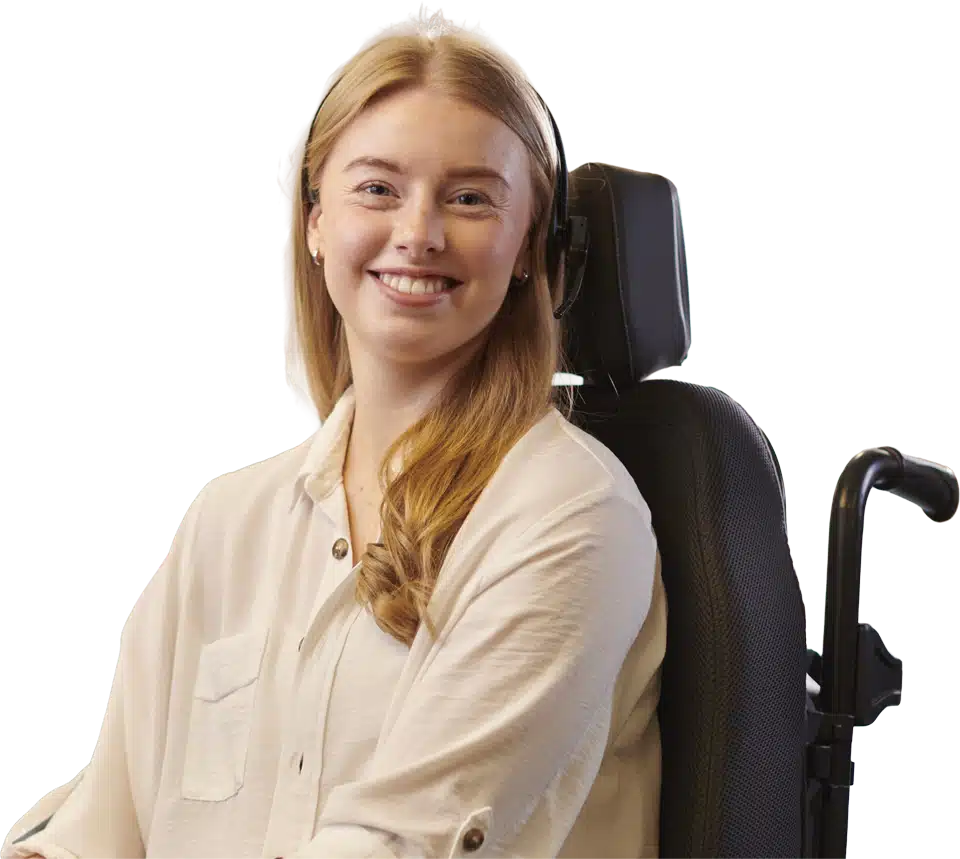
Visible disabilities are conditions that may be apparent to others. These can include physical disabilities affecting mobility, strength, coordination, hearing, or vision. Examples may include the use of assistive devices, limb differences, or noticeable sensory impairments. Because visible disabilities can be seen, they are often more readily acknowledged. However, even visible disabilities can come with unseen challenges such as chronic pain, fatigue, or fluctuating symptoms that others may not recognize.
Invisible Disabilities
Invisible disabilities are not outwardly obvious, yet they can significantly impact daily life and employment. Someone may appear “fine” on the outside while managing considerable challenges internally. Invisible disabilities can include:
- Mental health conditions such as anxiety, depression, bipolar disorder, PTSD, or OCD.
- Chronic illnesses such as diabetes, fibromyalgia, Crohn’s disease, IBS, or chronic fatigue syndrome.
- Learning disabilities and neurodevelopmental conditions such as ADHD, autism, or dyslexia.
- Neurological conditions such as epilepsy, multiple sclerosis (MS), or traumatic brain injury (TBI).
Because these conditions are not always visible, individuals may face skepticism, misunderstanding, or unfair judgments. They may be perceived as unmotivated or unreliable when, in reality, they are navigating legitimate medical or neurological barriers.
What Truly Defines a Disability?
The most important factor is not whether a disability is visible or invisible, it is how the condition affects a person’s ability to function in daily life or at work.
A disability may be any physical, mental, neurological, sensory, or health-related condition that creates barriers to employment, training, or full participation in the workplace. Two people with the same diagnosis may experience very different impacts. Eligibility for supports or accommodations is rarely based on diagnosis alone, it is based on how the condition affects the individual.
If a condition:
- Limits job options
- Impacts consistency, focus, stamina, or attendance
- Requires workplace adjustments
- Creates barriers to training or advancement
it may qualify as a disability in the context of employment support.
Why Understanding the Difference Matters
When we only associate disability with what we can see, we unintentionally overlook a large portion of people who need understanding and accommodation. Invisible disabilities can be just as limiting as visible ones, sometimes more so, because they are harder to explain and validate. Greater awareness helps reduce stigma, as it shifts the conversation away from questioning whether someone is “disabled enough” and toward understanding what support would help them succeed.
Connecting This to Employment Support
Employment support is not about labels, it is about removing barriers. Career counselling and employment services focus on:
- Identifying individual strengths
- Recognizing workplace barriers
- Exploring realistic job options
- Developing accommodation strategies
Support may include job search assistance, interview preparation, workplace accommodation planning, or guidance on communicating needs professionally and confidently. Accommodations might involve modified duties, flexible scheduling, adaptive equipment, or environmental adjustments that enable long-term success.
Taking the Next Step
Understanding visible and invisible disabilities is about access, not limitation. If a condition affects how you work or prepare for work, support may be available, even if your disability is not obvious to others.
If you are unsure whether your situation qualifies for assistance, connecting with an employment or career counsellor can help clarify your options.
Not all disabilities are visible. All disabilities deserve respect, understanding, and appropriate accommodation.